




Mexico travel tips: What to know before you go
Getting around Mexico: Driving, transportation, and car rental tips
Money in Mexico: Cards, cash, and the Mexican Peso
Safety in Mexico: Travel tips to keep in mind
Food and drinks in Mexico: What to eat and drink
Accommodation in Mexico: Where to stay
These Mexico travel tips can make the difference between a smooth adventure and a frustrating trip. After traveling extensively throughout Mexico, I learned that there are plenty of things worth knowing before you go—from money and transportation to safety, food, accommodation, and local customs.
When I was looking for information to plan my Mexico trip, I found surprisingly little useful advice. But during my travels, I discovered plenty of things myself. Some were surprising, some were great, and some things simply sucked—but all of them are worth knowing before you set off for Mexico.
These Mexico travel tips are based on my own experience traveling through the country. Some things surprised me, some things annoyed me, and some things I wish I had known before arriving.
Read more from my Mexico travel blog.
You might also be interested in reading:
If I were to sum it all up and give you the travel tips for Mexico that I’d want you to know first and foremost, they’d be these:
Mexico is huge, so don’t try to explore it all by car. I quickly realized that distances in Mexico are on a completely different level. Some journeys that looked easy on the map took entire days, so flying between regions and renting a car locally turned out to be a much better strategy. Read more about getting around Mexico.
Carry both cards and cash. I found that paying by card was easier than expected, but I still needed Mexican pesos for smaller restaurants, local shops, and unexpected situations. Having a bit of cash with me saved me more than once. Read more about money in Mexico.
Know what to expect if you get stopped by the police. This was probably one of the most uncomfortable parts of driving in Mexico. I learned that staying calm, being polite, and knowing how to handle the situation is much better than panicking. Read more about safety in Mexico.
Don’t skip street food. Mexican street food quickly became one of my favorite discoveries. It was cheap and tasty, and sitting at a small food stand surrounded by locals often felt like a much more authentic experience than eating in tourist restaurants. Read more about food and drinks in Mexico.
Learn at least a few Spanish phrases before you go. Outside the most popular tourist areas, English is not always useful. Even simple phrases made everyday interactions easier and helped me connect with people along the way. Read more about language in Mexico.
Think carefully about when you visit. I learned this the hard way when I traveled to Mexico during Christmas. Many places had different opening hours, and the holiday atmosphere completely changed the experience.
If you care to read more tips I’ve gathered during my trips, here’s the full list:
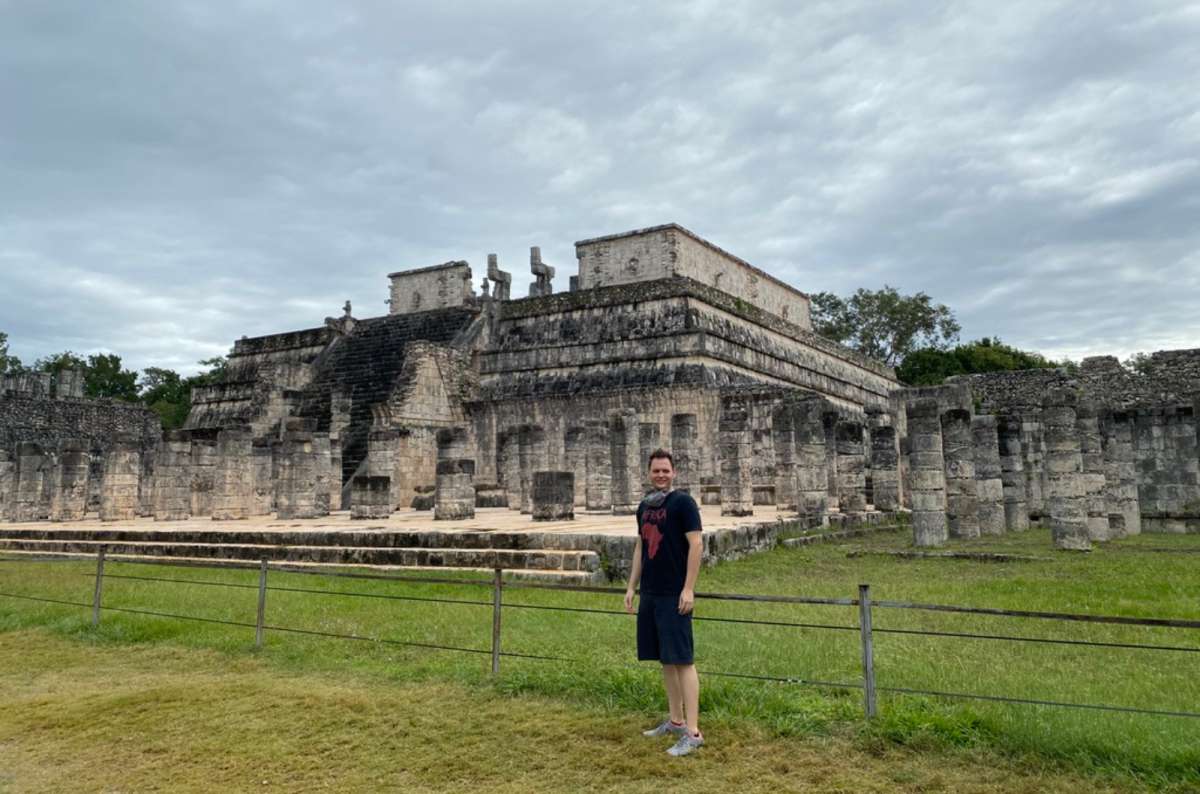
Me @ Chichén Itzá
From immigration rules and language barriers to mobile data and travel insurance, these Mexico travel tips will help you prepare for your trip.
To enter Mexico, you don’t need a visa if you are traveling from a visa-exempt country. But you do need a passport and an immigration form, depending on your nationality and point of entry.
Don’t lose it — you may need it when leaving the country.
Do you need Spanish in Mexico? Oh yes, you do.
Before my trip, I knew that English would not be widely spoken everywhere, but I was still surprised by how quickly I needed Spanish once I left the most touristy areas. Ordering food, asking for directions, or simply communicating with local people was sometimes much harder than expected.
Mexicans don’t speak English very much. If you meet someone who is able to say “Hello” or “How are you,” it can feel like a miracle.
But don’t worry, you don’t need to sign up for Spanish classes… simply use Google Translate. Everyone knows it… It’s truly tried and tested!
Mexico’s main language is Spanish. However, always keep in mind that Spanish might not be the first language of everyone you meet. Mexico is also home to many Indigenous languages, some of which are still spoken as mother tongues.
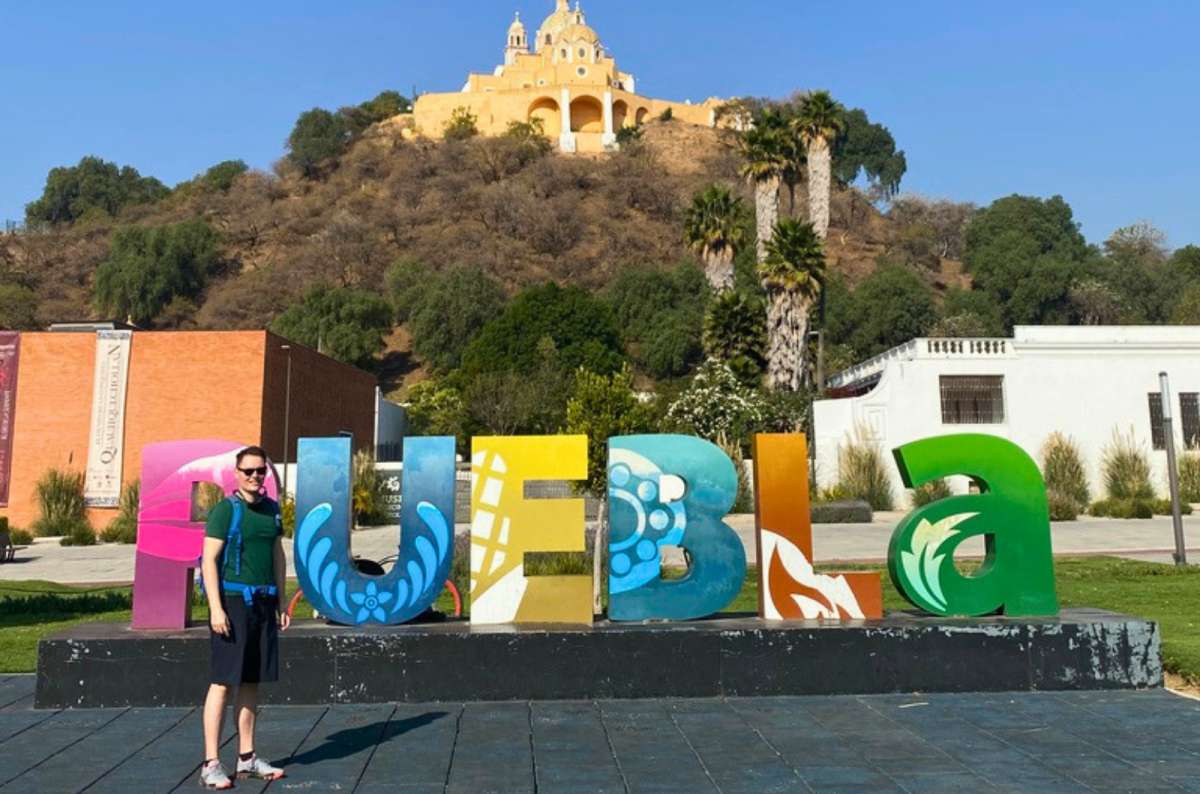
The language is Spanish. If you don't speak it, try using Google Translate
A good way to save money during a vacation in Mexico is to buy a Mexican SIM card.
A good way to save money during a vacation in Mexico is to buy a Mexican SIM card. It is still relatively cheap, and you can expect to pay 100–200 Mexican pesos (USD 5–10) depending on the provider, package, and amount of data you need.
In Mexico, there are three main mobile network operators:
All their offers are very similar and vary only in detail, so it’s best to choose the operator with the best network coverage in your area.
If you travel all around Mexico, I recommend Telcel. However, if you stay only in Mexico City, it doesn’t matter as all providers have good coverage there.
The shops and operators are usually super helpful. They will explain everything and change the SIM in your phone immediately.
Plugs in Mexico have two flat pins, which is also typical for the USA. If you are from another part of the world, you will need a power plug adapter.
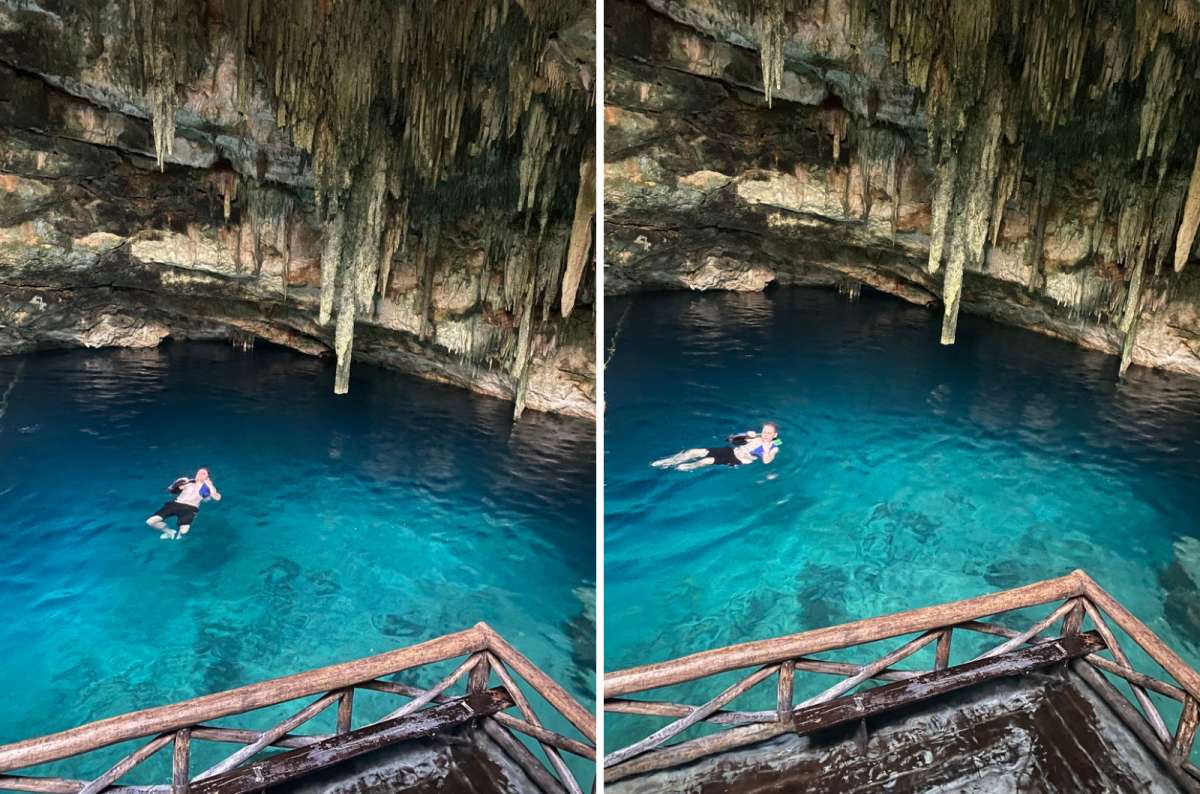
This is exactly the kind of swim where you're glad you're not paying out of pocket if something goes wrong
Insurance is extremely important when you travel. And even though it’s not obligatory in Mexico, you should definitely consider it.
You might come across some things that you’re not used to, such as bad water, dangerous animals, crime, or extremely hot temperatures.
Always look for specific information about the destination you plan to visit. But even if you travel in a peaceful area, I really recommend getting insurance.
The cost of insurance depends on the details and specific conditions of your vacation in Mexico.
In Mexico, you will always be high (I mean the altitude, of course).
That’s why there is quite a big chance of getting sunburnt, even if it’s cold or cloudy. Don’t forget to pack your sunscreen.
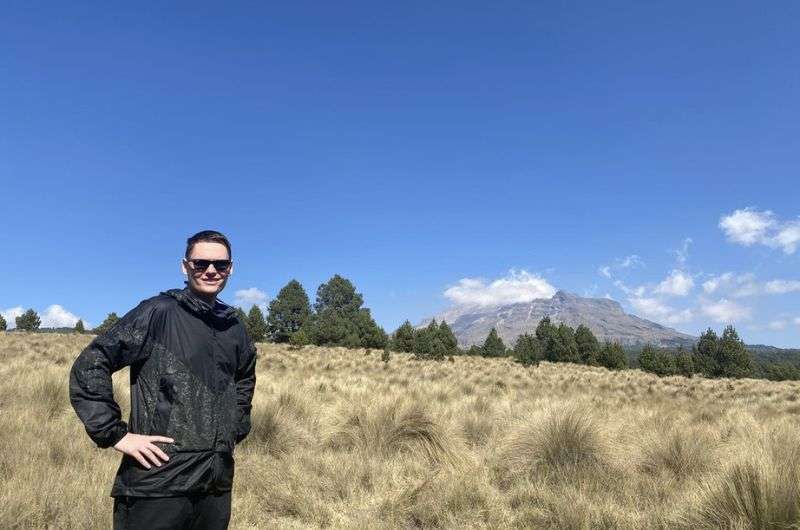
Sunscreen is a must-have for travelling in Mexico
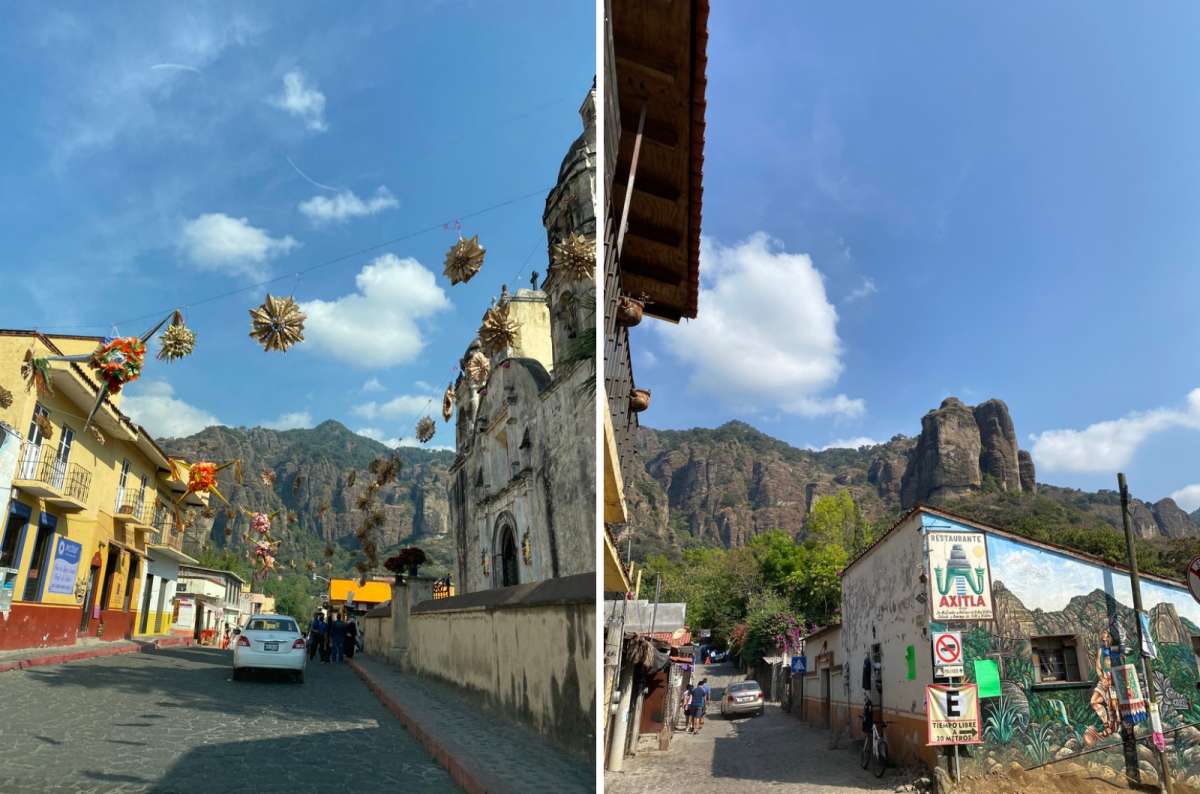
The roads get tricky sometimes, but it's worth it anyway
One of the most important Mexico travel tips is to plan your transportation carefully. Mexico is enormous, and trying to explore the whole country by car can take much longer than you expect.
Don’t use only a car to travel around Mexico—the country is enormous.
It could take days just to get from one place to another. It’s much better to take a flight to a destination, rent a car, travel in that area, and then return the car and fly to another destination. It is one of the most effective ways to travel in Mexico.
I’m not going to lie: Mexican roads can be TERRIBLE. But you can avoid many problems by taking highways instead. Foreigners are usually afraid to use them, but there is no reason, as Mexican highways are generally fast and safe.
They even operate the so-called Green Angels (Ángeles Verdes), a roadside assistance service that will come and help you in case of any difficulties (dial 078 to reach them).
The only thing that sucks about Mexican highways is their price. There are quite a lot of toll gates that can become expensive. However, these toll roads are usually better maintained than many free roads and are often the best option for longer journeys.

Sometimes, car rentals in Mexico will try to cheat. If you book a car in advance, you might get a different model. There might even be some other problems — maybe not horrible, but definitely uncomfortable.
So how do you rent a car in Mexico without being deceived?
Alamo in Mexico City is not the same company as Alamo in Puebla.
Car rentals in Mexico are not always united companies, but often franchises. So if you rent a car in Mexico and then return it someplace else (even if the rental has the same company name), you may be charged an extra fee.
So never assume a one-way rental will be cheap. It is usually much better to start somewhere, travel around, and then get back to the same place.
Nothing is as annoying when driving in Mexico as topes. Topes are speed bumps, extremely big and placed in the worst parts of the roads. They are hidden in shadows, lurking around to catch gringos.
When you meet a tope, lower your speed to around 10 km/h. Otherwise, you could damage your car.
When it comes to regulating speed, the psychological effect of topes is very effective.
If taxi drivers see you’re a gringo, they might try to overcharge you.
But you can always negotiate before you get in the car. So before you get in, tell the driver where you want to go, ask about the price, and negotiate.
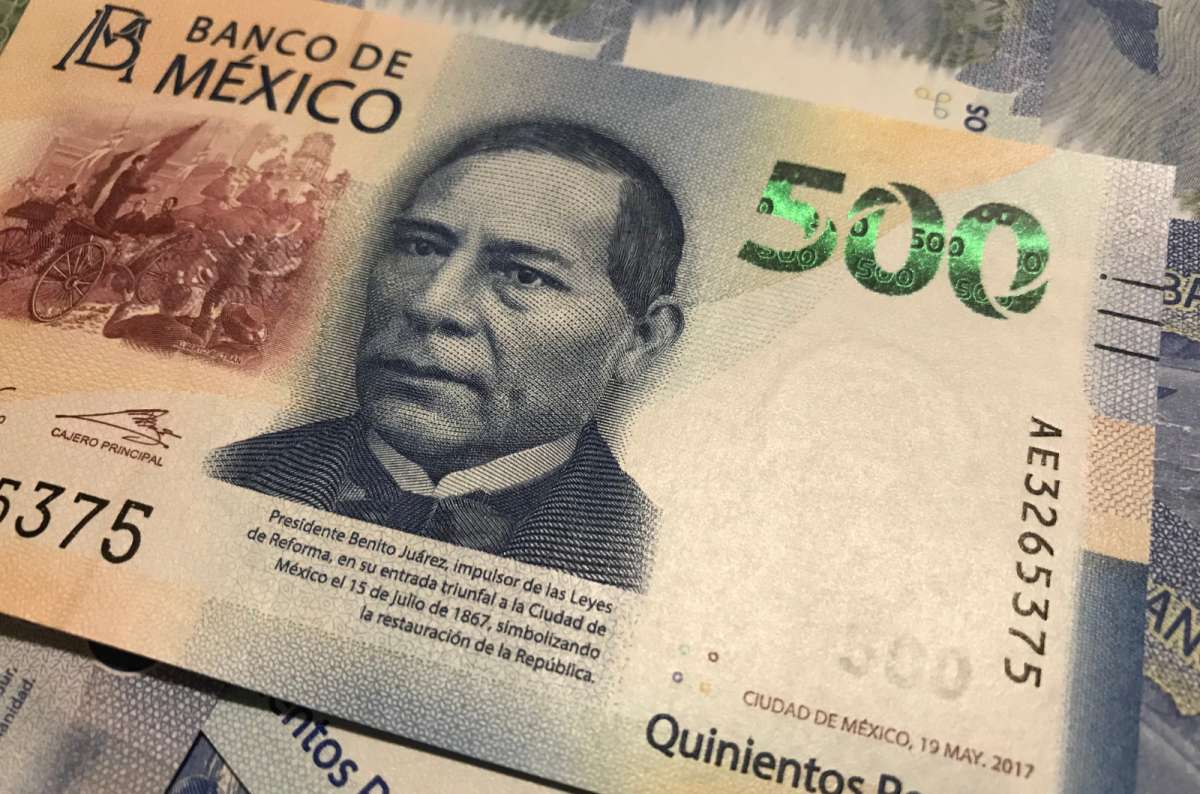
Cards work almost everywhere, but a few pesos in your pocket still saves you trouble
One of the most useful Mexico travel tips is to carry both a bank card and some cash. While card payments are becoming increasingly common, cash is still preferred in many smaller businesses and local markets.
You don’t need tons of cash when you travel in Mexico. The vast majority of hotels, supermarkets, restaurants, and many shops accept credit and debit cards.
Sure, you can also pay in cash. In fact, I recommend carrying some Mexican pesos with you. Smaller restaurants, local markets, street food stalls, and businesses in rural areas often prefer cash, and it can save you a lot of trouble.
In my experience, the ideal solution is a combination of both. It’s good to pay by card but also have some cash just in case you need to pay for something.
I also preferred not carrying too much cash, mostly because of the police. During our trip, we were stopped more than once, and the police occasionally hinted that a cash payment would make things easier. If you don't carry large amounts of money, those conversations become much shorter.
In most cities and towns, there are plenty of ATMs (called cajeros), so you can withdraw money directly from your bank account.
One important note to remember, and this is not true only in Mexico, but everywhere in the world, is to always decline the ATM's conversion into your own currency. The exchange rate is almost always less favorable than the one your bank will use, and it may include an additional fee.
Always try to withdraw money from ATMs belonging to banks rather than exchange shops, and use machines in well-lit locations.
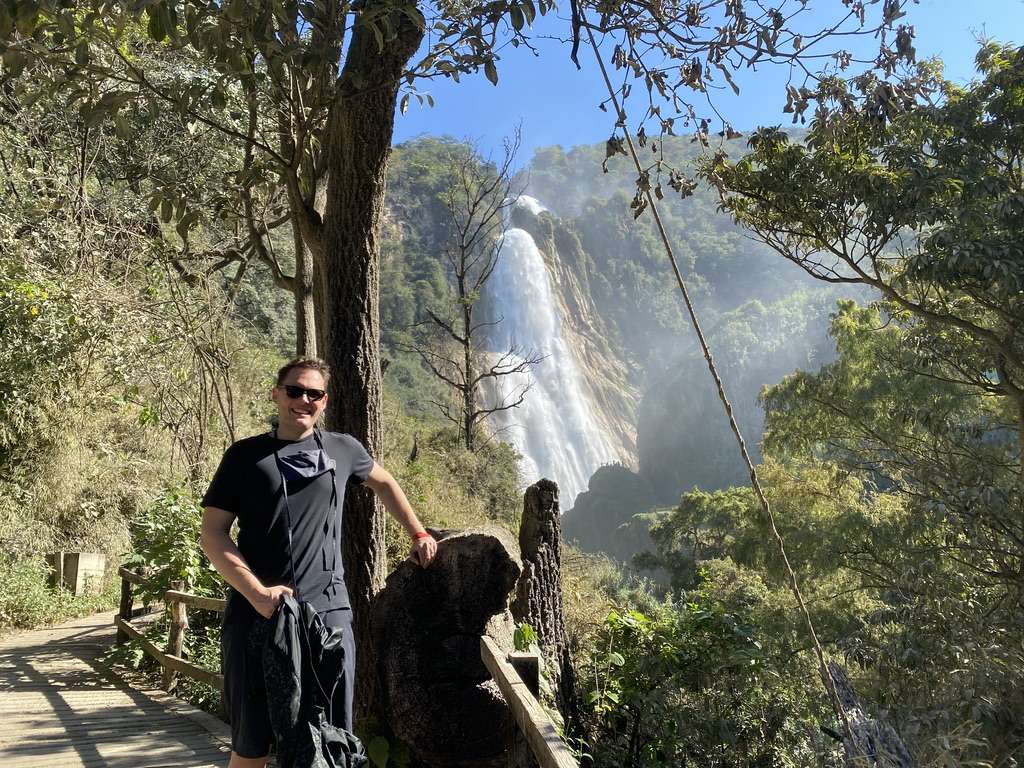
Chiflón Falls, Chiapas—a must-visit!
Mexico has a complicated reputation. You will hear stories about crime, cartels, and corruption, but the reality for most travelers is much more nuanced. These Mexico travel tips will help you understand the risks and avoid common problems during your trip.
It’s a sad but true fact that many policemen in Mexico are poorly paid. During our trip, we were stopped more than once, and in some cases, the situation felt more like a negotiation than a normal traffic stop.
You have two possibilities:
Should plan A fail and you get pulled over, if you're lucky, you will get a normal fine. But sometimes, police officers may try to ask for an unofficial payment. During our travels, the amount was around 30 dollars (600 Mexican pesos).
For both of you, it’s illegal, so these situations are usually handled quietly. It’s very uncomfortable, but if you want to argue, do it very carefully. Why? Mexican police officers have the authority to take you into custody, and you don’t want that, trust me.
Not all policemen in Mexico are bribe-eager, and many are professional and helpful. But if you get stopped, stay calm, be polite, and avoid giving away your phone or passport unnecessarily.
Would you like to get diarrhea? Well, try drinking tap water in Mexico!
Tap water in many parts of Mexico is not considered safe for visitors because of bacteria and differences in water treatment. Don’t drink it, and many travelers also avoid brushing their teeth with it. When in doubt, use bottled or filtered water.

The same rule applies to ice cubes, skip them unless you trust the place they came from
On our holiday in Mexico, I realized that I felt surprisingly safe. I wasn’t disturbed by anything connected to drug cartels or gangsters. Of course, crime exists in Mexico, and some areas have serious security problems, but as tourists, you often won’t perceive it.
So don’t sweat it and travel to Mexico without unnecessary worries.
(The only thing that made me slightly nervous was the police.)
At first, you will probably not notice, but there are extreme differences between the two social classes in Mexico. People are either VERY RICH or VERY POOR, with a lot of inequality in between.
That’s why you might want to avoid showing off expensive belongings, such as a luxurious watch or phone. I don’t mean to say that Mexicans are thieves, but you know the saying: Hunger makes a thief of any man.
Swimming in the Mexican sea can be dangerous. There may be strong currents, high waves, jellyfish, toxic organisms, and other threats.
The information is always on the flags on the beaches. If you see one, always find out what it says.
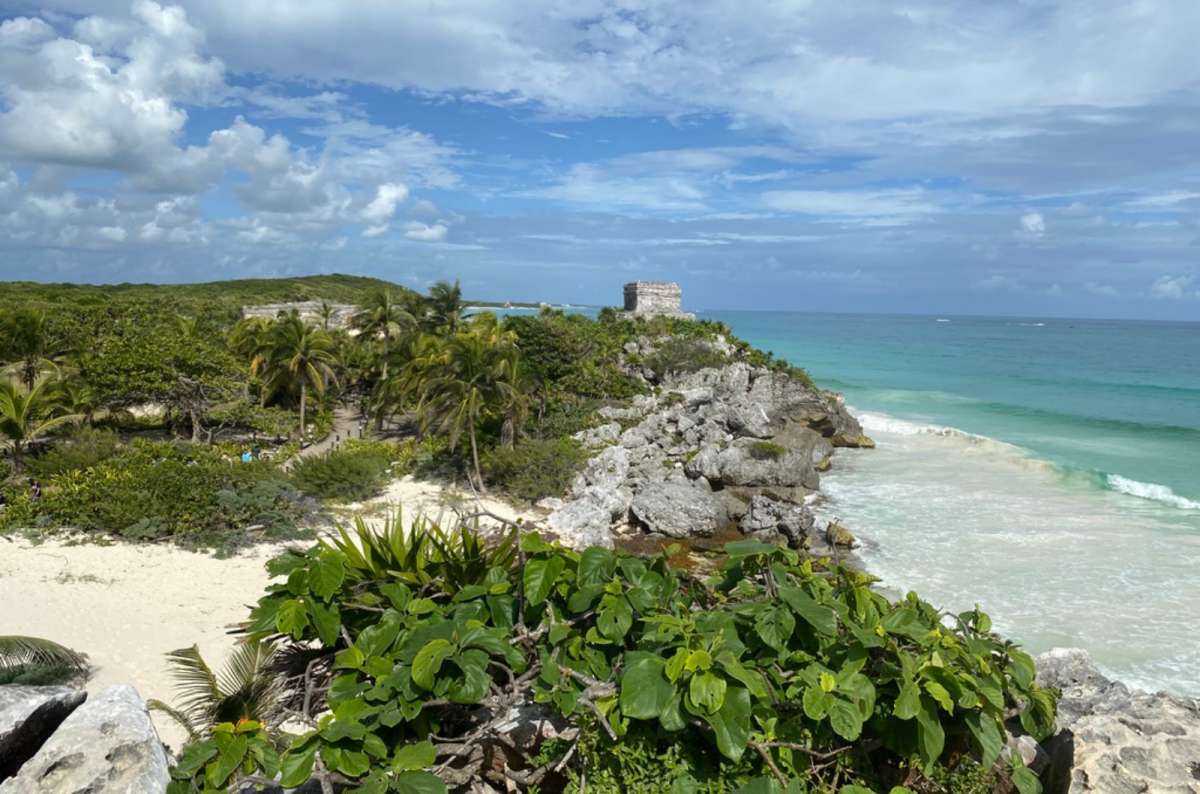
Water this pretty is exactly when people forget to check the flag first
Small earthquakes are quite common in Mexico, especially in areas such as Mexico City, and you may experience a few. You don’t need to worry; usually, you won’t even notice them.
But if the earthquake is bigger:
The main emergency phone number in Mexico is 911. It’s available 24/7 and covers all major services: police, ambulance, and fire services.
If you’re on a highway and get in trouble, as mentioned before, you can also contact the Green Angels (Ángeles Verdes) for roadside assistance at 078.

Food is one of the biggest parts of traveling, and Mexico is famous around the world for its cuisine. These Mexico travel tips will help you know what to expect, what to try, and what surprised me during my trip.
When I was traveling in Mexico, I fell in love with Mexican street food.
It’s delicious, high-quality, and cheap at the same time. You can get, for example, tacos or other street food for just a few dollars, depending on where you are.
Try it; you will not regret it. Mexican street food is also a great way to experience everyday life in Mexico. You will find small food stands everywhere, and many locals eat there regularly.
Read more about eating your way through Mexico here.
Mexican food is world-famous and popular; that’s why I was looking forward to it. But in the end, I was disappointed. After three weeks in Mexico, I was completely fed up with it. Mexicans eat a lot of tortillas, corn, tortillas, corn, and tortillas again.
I did really like the Mexican steaks and Mexican sauces, though. But when I say sauces, I don’t mean mole. Mole is a special sauce, often made with a mixture of ingredients including chili and sometimes chocolate, served with chicken and rice. In my opinion, it was not my favorite dish. I would not eat it again. I found it absolutely disgusting.
Of course, this is only my personal experience. Mexican cuisine is incredibly diverse, and different regions of Mexico have completely different specialties.
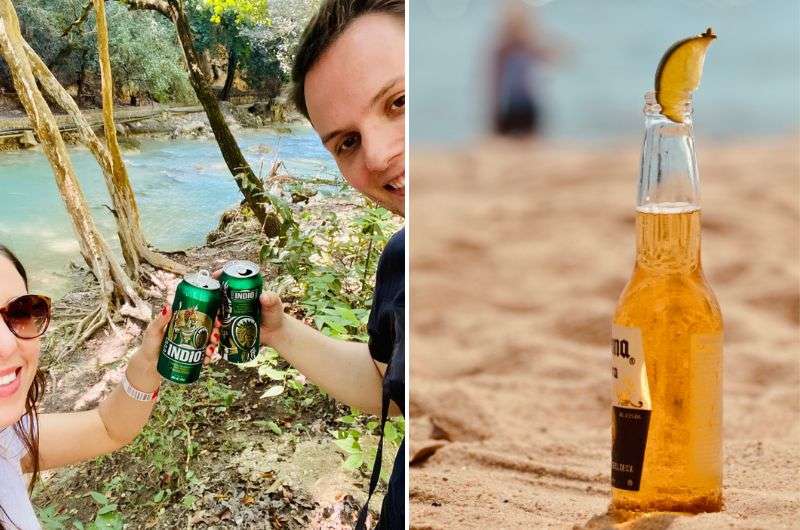
Cheers!
After my experience with food, I was a little skeptical about what else Mexico had to offer. But their beer was a completely different story!
Mexican beer is surprisingly good—refreshing, easy to drink, and, in my opinion, comparable to popular European lagers such as Heineken, Carlsberg, or Stella Artois.
My favorite Mexican beer brands are Corona, Tecate, and Sol.
In Mexico, tequila is a specific type of agave spirit that can only be produced in designated regions, especially around the city of Tequila in Jalisco.
In other parts of Mexico, you will often find mezcal instead. Don’t worry—they are not exactly the same, but both are traditional Mexican agave drinks and worth trying.
My favorite drink in Mexico was café de olla.
It’s a traditional coffee spiced with cinnamon, star anise, and cloves, and sometimes also orange and lemon peel. It tastes a bit like glühwein and is really delicious.
Café de olla is traditionally prepared in clay pots and served in clay mugs. Unique recipes are passed down through families, so the drink can taste slightly different depending on where you try it.
I recommend trying it in Veracruz, one of Mexico’s major coffee-growing regions.
Read more about eating your way through Mexico here.
When it comes to tipping, every country has its own rules. In Mexico, tipping is an important part of the service industry, and leaving around 10–20% in restaurants is common if you are happy with the food and service.
During my trip, I quickly noticed that tipping is expected in many situations, not just restaurants. Besides waiters, it is also common to tip tour guides, hotel staff, cleaning and maintenance workers, and porters.
Always check your bill first, though; some restaurants may already include a service charge, especially in tourist areas.

I recommend Hilton Mexico City Reforma
When it comes to accommodation, Mexico offers everything from small local guesthouses to luxury resorts. One of the Mexico travel tips I learned during my trip is that international hotel chains can sometimes offer surprisingly good value.
During our trip to Mexico, I stayed at international hotels such as Hilton or Marriott.
They are standardized around the world, so you usually know exactly what to expect. The quality is consistent, the service is reliable, and the price in Mexico is often much lower than in many other countries. So you can get high quality for a reasonable price!
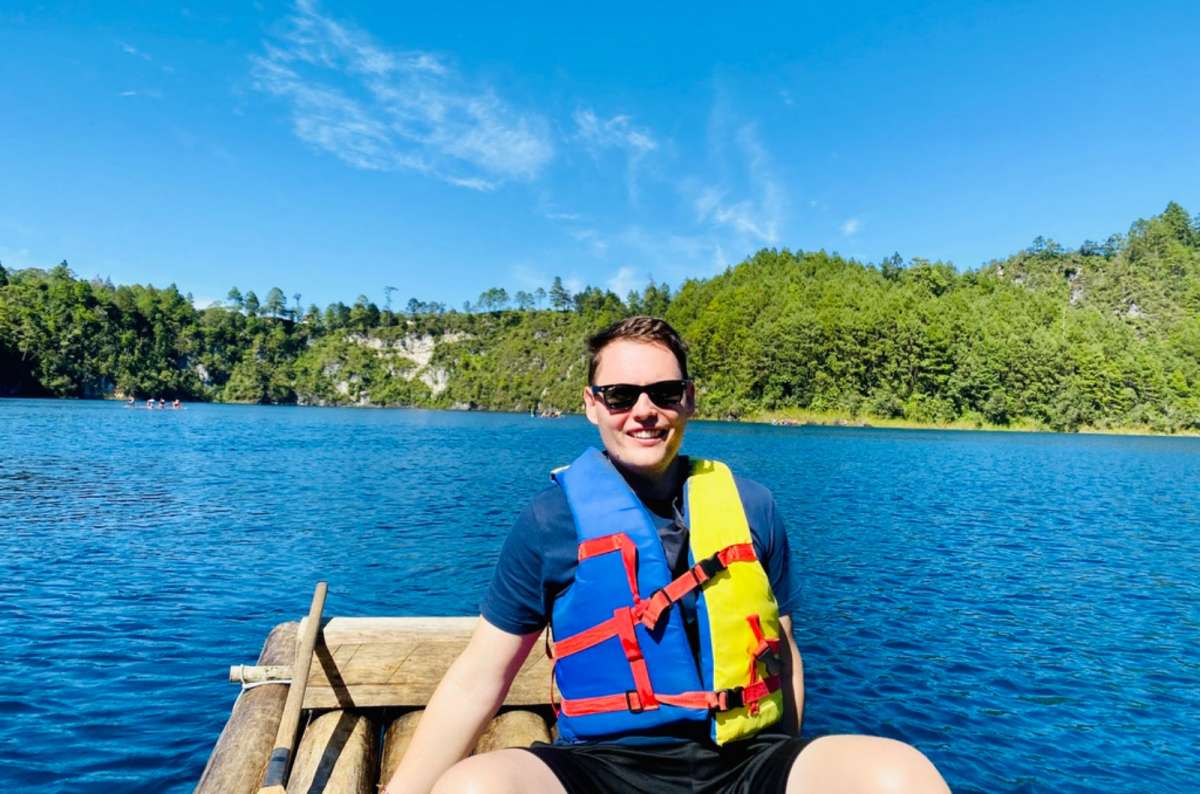
Blue skies here, storms could be rolling through the coast the same afternoon
Choosing the right time to visit Mexico can make a big difference. The country is huge, so the weather, crowds, and experiences can vary a lot depending on where you go. These Mexico travel tips will help you avoid some common mistakes.
One thing I learned quickly is that Mexico does not have one single type of weather. The country is enormous, and the climate can be completely different depending on where you go.
The season can affect everything from hiking and sightseeing to beach days and road trips. The rainy season can bring sudden storms and muddy trails, while the hottest months can make outdoor activities uncomfortable, especially in places with little shade.
Before planning your trip, check the weather for the specific region you are visiting. Mexico City, the Yucatán Peninsula, Baja California, and the Pacific coast can all feel like completely different countries when it comes to climate.
The rainy season in Mexico runs from May to September in the northern parts of the country and from June to October in the south.
You can tell a storm is coming when the temperature suddenly drops. Often, the rain arrives unexpectedly, so if you travel to Mexico during the rainy season, keep it in mind and don’t go for long walks with no possibility of hiding inside.
The good news is that the rain usually comes in short bursts rather than lasting all day, and nature is often greener and more beautiful during this time.
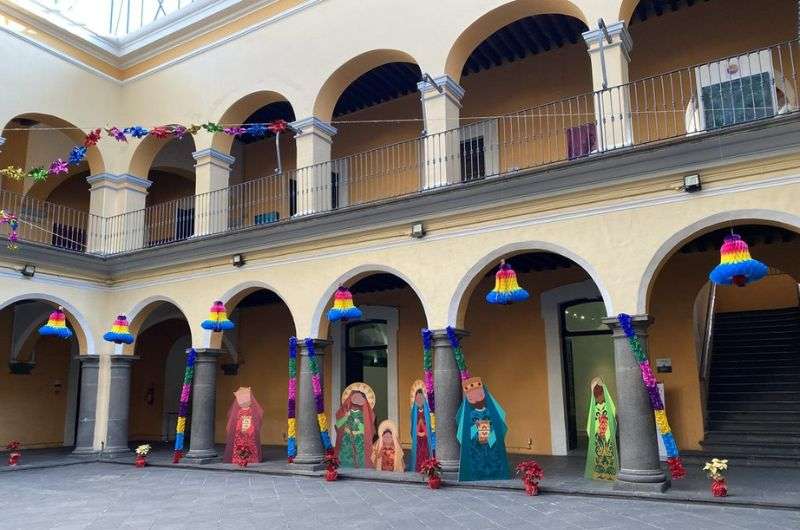
Avoid visiting Mexico during Christmas!
Guess when I was in Mexico? Yes, exactly. During Christmas. And I can tell you from my personal experience that it’s not the best idea.
Christmas is a very important holiday for Mexicans, so many businesses and restaurants change their opening hours. On December 24, some places close early, and on the following days, many smaller businesses may remain closed or operate with limited hours.
So if you want one Mexico travel tip, listen to this: travel either before or after Christmas, but not during the holidays. Don’t make the same mistake I did.
Museums usually receive the biggest wave of visitors during the weekend, so many of them are closed on Mondays.
It does not apply universally, but it is common enough that you should always check opening hours before planning a museum visit.
Are there any popular attractions on your list, such as the Frida Kahlo Museum? Consider buying tickets in advance; otherwise, you might not get in.
Many popular attractions sell out, especially in busy tourist areas, so it’s better to book online at least a day before.
It can also help to arrive early, before the biggest crowds appear.
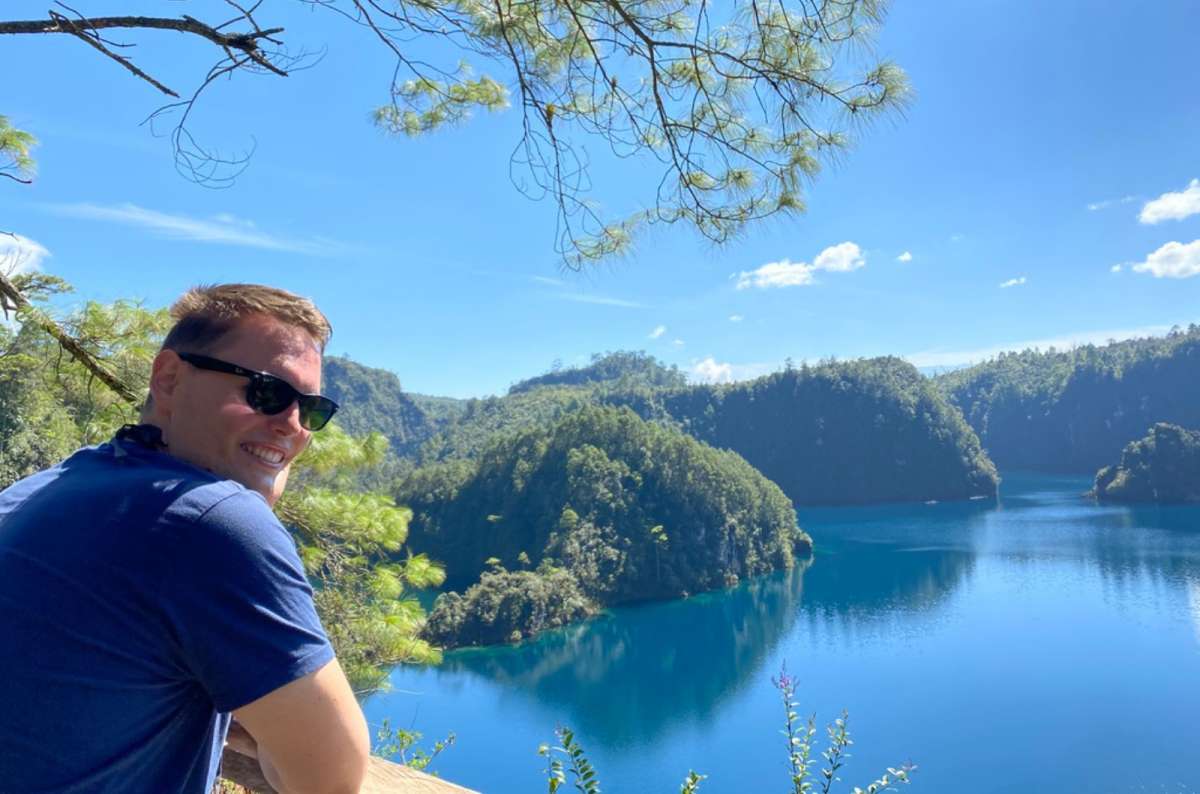
Lagos de Montebello, Chiapas
Mexico is an incredible country, but knowing what to expect can make your trip much easier. After traveling throughout Mexico, I learned that the best experiences often come from being prepared — whether that means understanding how to get around, knowing a few Spanish phrases, carrying the right mix of cash and cards, or simply respecting local customs.
If you want to understand the country before your trip, my guide to interesting facts about Mexico covers everything from its climate and history to language, culture, and everyday life.
These Mexico travel tips are based on my own experiences, including the things that surprised me, the mistakes I made, and the lessons I learned along the way. Mexico is not always the easiest country to travel through, but with a little preparation, it can be one of the most rewarding.
This post contains affiliate links. If you make a booking through one of my links, I may earn a small commission—at no additional cost to you. Thank you for your support!
Mexico travel tips: What to know before you go
Getting around Mexico: Driving, transportation, and car rental tips
Money in Mexico: Cards, cash, and the Mexican Peso
Safety in Mexico: Travel tips to keep in mind
Food and drinks in Mexico: What to eat and drink
Accommodation in Mexico: Where to stay


Hi, I’m Jan. I travel fast and intensely, whether I’m exploring the buzz of Tokyo in 3 days or road-tripping through mountains and beaches on a 3-week Thailand adventure. And no matter where I am, you’ll always find me in a comfortable hotel at night and eating the best food.
If that sounds like your kind of journey, hop on board, and let’s explore the world together!
I started this blog after realizing how tough it can be to find reliable, authentic travel info. You wouldn’t believe how many “travel bloggers” never even visit the places they write about! On Next Level of Travel, you can count on my full honesty and insights drawn from my firsthand experiences.
Here’s the deal: not every destination is all superlatives and unicorns. I’ll let you know if a tourist attraction isn’t worth your time, like skipping overrated stops in my 2-week Spain itinerary. And when I find something truly special—like the perfect mix of culture and nature in Cape Town—you can trust that it’s worth adding to your itinerary.

Comments | Thoughts? Give us a shout!